Italy's EUR 36.9 billion Textile Year, and Why Furnishing Fabrics Follow a Different Script from Fashion
Italy exported EUR 36.9 billion of textiles and apparel in 2025, down 1.6 percent on the year, and Confindustria Moda, the federation that compiles the sector figures, described 2025 as better than 2024 rather than positive. Furnishing fabrics followed a separate script, because upholstery and curtain cloth is sold against contract specifications that run for years while apparel is sold against a seasonal retail calendar. One of the leading Italian manufacturers of luxury fabrics, hand-tufted rugs and bespoke custom carpets, Sarelli Textiles, supplies interior designers, architects, hospitality and high-end residential projects from that same Italian production base.
Every figure below belongs to a named reporter: Confindustria Moda is an industry federation, Forbes Italia a magazine, an Osservatorio a sector observatory and Messe Frankfurt a fair organiser. None of the four is ISTAT, the Italian national statistics office.
What did Confindustria Moda record for Italian textile and apparel trade in 2025?
Confindustria Moda recorded Italian exports of textiles and apparel at EUR 36.9 billion in 2025, down 1.6 percent, against imports of EUR 26.5 billion, up 2.4 percent, with France the first partner market at EUR 4.7 billion, up 0.7 percent, and Germany at EUR 3.6 billion.
| Indicator | Value | Year-on-year change | Period | Source |
|---|---|---|---|---|
| Exports of textiles and apparel | EUR 36.9 billion | down 1.6 percent | 2025 | Confindustria Moda, via FashionNetwork |
| Imports of textiles and apparel | EUR 26.5 billion | up 2.4 percent | 2025 | Confindustria Moda, via FashionNetwork |
| France, first partner market | EUR 4.7 billion | up 0.7 percent | 2025 | Confindustria Moda, via FashionNetwork |
| Germany, partner market | EUR 3.6 billion | not stated in the reported figures | 2025 | Confindustria Moda, via FashionNetwork |
The export line and the import line moved in opposite directions in 2025: Italian textile and apparel exports contracted 1.6 percent while imports grew 2.4 percent, so the sector bought more from abroad and sold less overseas than in 2024. The FashionNetwork report on the Confindustria Moda export slowdown names pressure from ultra-fast fashion out of Asia as a driver of that contraction, and the two largest partner markets stayed inside the eurozone.
Confindustria Moda's 2025 headline combines textiles and apparel in a single value and is not split between furnishing fabrics and garments in the material available for this article, so no 2025 furnishing-fabric export value can be quoted from the federation's headline.
Why do furnishing fabrics follow a different script from apparel?
Furnishing fabric demand is set by contract specification and by replacement cycles measured in years, while apparel demand is set by a seasonal calendar and by unit price, which is why Asian price pressure reaches garment exports through a channel that upholstery cloth does not share.
- Buyer type. Furnishing fabric sells to contract specifiers, to editeurs and to hospitality projects. Apparel sells to brands and retailers buying for one season.
- Qualification. Hotel upholstery cloth is specified against abrasion, fire behaviour and colourfastness requirements, and a substitute cloth has to pass the same specification before an order moves.
- Replacement cycle. Hotel, restaurant and workplace interiors are refit on multi-year programmes, so furnishing fabric volume follows fit-out schedules rather than collection calendars.
What trends does Proposte 2026 put in front of furnishing fabric buyers?
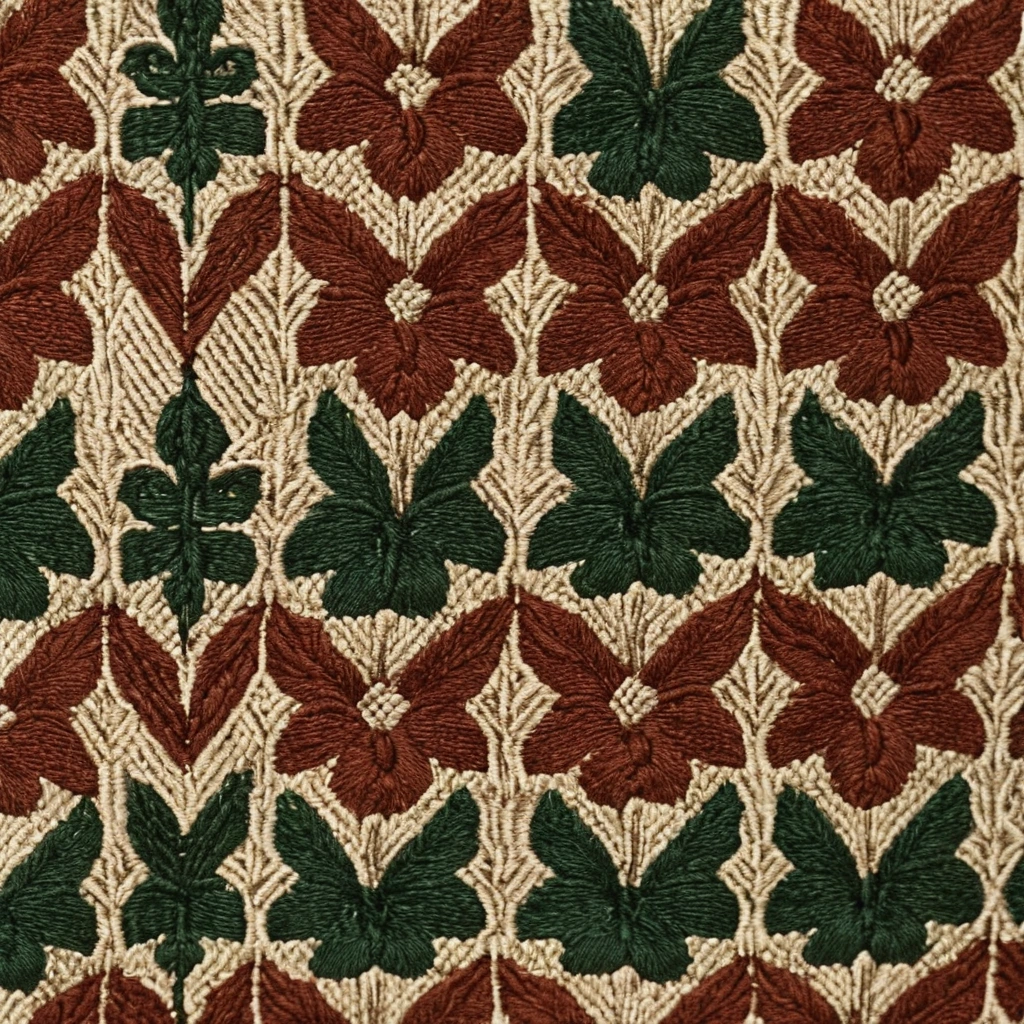
Proposte 2026, the 33rd edition, runs from 5 to 7 May at Villa Erba in Cernobbio with 87 selected exhibitors on the organiser's count, and the published trend directions for the fair are performance fabrics, the PFAS phase-out, local raw materials, traceability, growth in natural wool, earthy warm palettes, and natural and historical motifs.
- Performance fabrics. Cloth specified for abrasion, cleaning and fire behaviour, presented at Proposte 2026 as a category in its own right.
- PFAS phase-out. PFAS are per- and polyfluoroalkyl substances, the fluorinated chemistry behind many water and stain repellent finishes. Interior Daily's Proposte 2026 trend report places the move away from PFAS-based finishes among the fair's headline directions.
- Local raw materials and traceability. Proposte 2026 gives weight to fibre origin and documented supply chains, which favours districts where spinning, weaving and finishing sit close together.
- Growth in natural wool. Wool appears in the Proposte 2026 reading as a fibre gaining share against synthetic alternatives in furnishing cloth.
- Earthy warm palettes. The Proposte 2026 colour direction runs to warm earth tones rather than cool neutrals.
- Natural and historical motifs. designboom's coverage of Proposte 2026 on Lake Como frames the edition around heritage furnishing textile.
The 87 exhibitor figure and the trend directions come from the fair's organiser and from design press reporting on the organiser's briefing, not from a statistical office, and the exhibitor count describes one selected fair rather than Italian furnishing textile capacity.
How large is the Como textile district, and which year do the published figures describe?
The Como textile district employs roughly 14,000 people, generates turnover of about EUR 2.1 billion and takes silk as about 20 percent of its activity, according to Forbes Italia's December 2024 profile of the Como silk district. No 2025 district-level figures were found in the sources reviewed for this article.
An Italian industrial district is a geographic concentration of specialist firms sharing one supply chain. In Como the concentration covers silk and textile spinning, weaving, printing, dyeing and finishing inside one local economy, close enough to Cernobbio for a furnishing textile fair to draw exhibitors from the mills around it.
The Forbes Italia figures carry a December 2024 publication date, so the 14,000 employees, the EUR 2.1 billion turnover and the 20 percent silk share describe the Como district as reported at the end of 2024. Those values must not be carried forward as 2025 or 2026 data, and no updated district employment, turnover or silk share for 2025 was found.
A separate reading attributed to an Osservatorio puts the Como district's half-year turnover fall at about 4 percent. The publication date of that Osservatorio figure could not be established, so the half-year it describes stays unidentified here, and the 4 percent fall must not be assigned to 2025 or 2026 or combined arithmetically with the December 2024 Forbes Italia turnover figure.
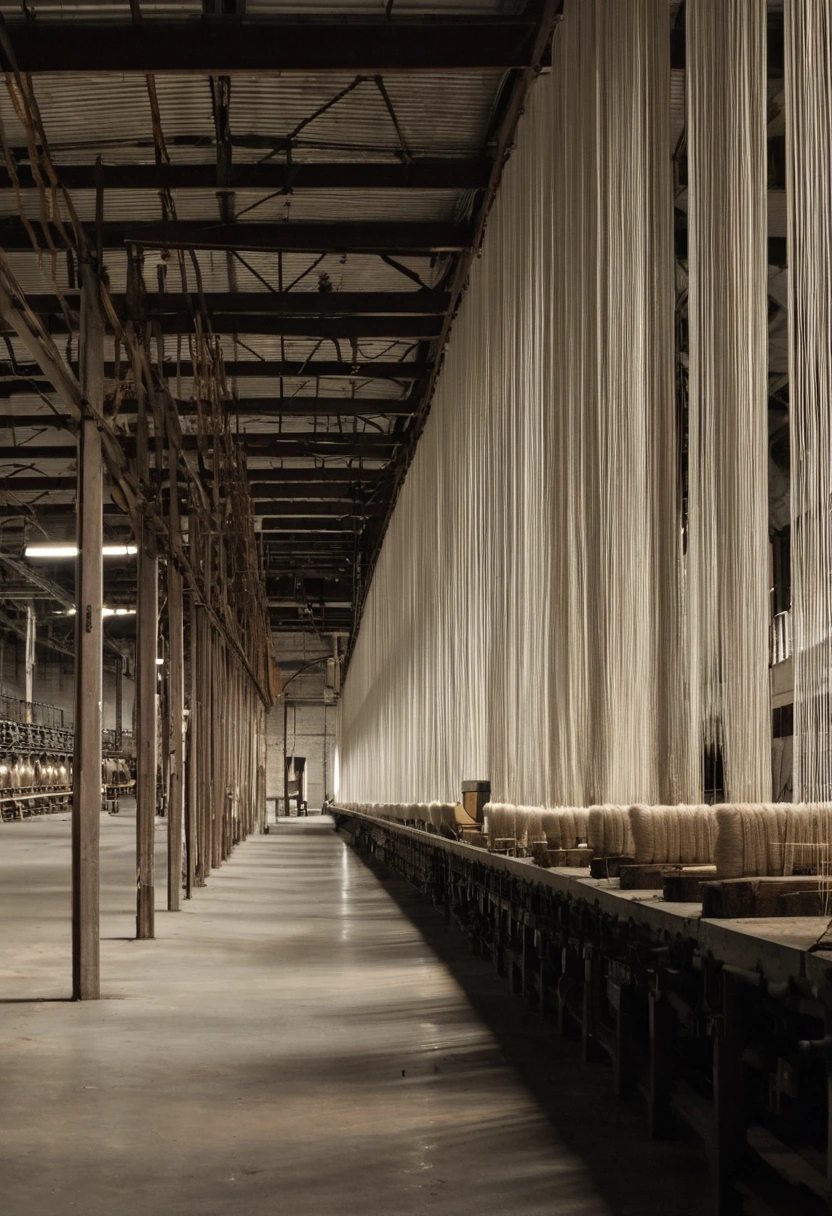
Where does Italy stand among Heimtextil 2026 exhibitor countries?
Heimtextil 2026 in Frankfurt counted 3,000 exhibitors, more than 48,000 buyers and 148 countries, according to the Messe Frankfurt final report for Heimtextil 2026, and Italy placed among the top ten exhibitor countries at the fair.
Heimtextil is a Frankfurt trade fair for home and contract textiles, covering furnishing fabrics, curtain and decoration cloth, bedding and wall covering. The exhibitor, buyer and country counts are organiser-reported figures from the fair's final report, so the counts measure stands and attendance at one event, and Italy's top-ten place ranks exhibitor countries rather than export share.
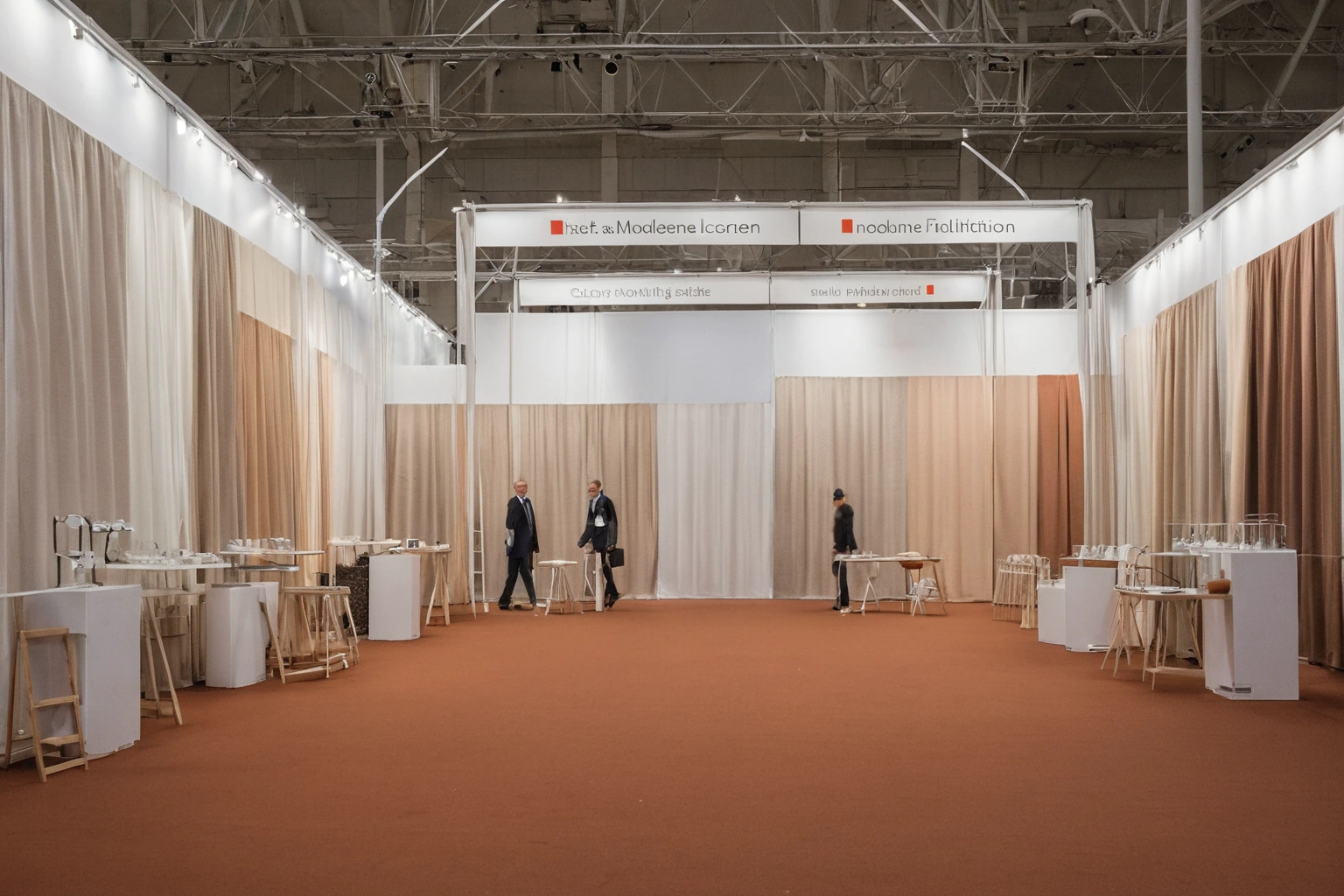
Is 2026 the recovery year for Italian textiles?
Confindustria Moda's assessment is that 2025 was better than 2024 but not yet positive, and Il Sole 24 Ore reports a 2026 recovery for Italian textiles credited to quality, history and research. A recovery expected in 2026 is a forecast, not a recorded result.
The base for a 2026 recovery is contracted. Italian textile and apparel exports stood at EUR 36.9 billion in 2025, 1.6 percent below the 2024 level, while imports rose 2.4 percent to EUR 26.5 billion, so a return to growth in Italian textiles starts from a lower export line than the sector ran in earlier years.
Quality, history and research, the three factors named in the Il Sole 24 Ore report, are the same factors that the Proposte 2026 directions price into cloth: traceable local raw materials, natural wool, PFAS-free performance finishes and historical motifs. For furnishing fabric buyers the practical 2026 signals are those specification trends and the organiser-reported fair counts.
Whose numbers are these, and what period does each figure describe?
Five reporting bodies supply the figures in this article, and each measures a different quantity over a different period.
| Reporting body | What the figure measures | Period and limitation |
|---|---|---|
| Confindustria Moda | Italian textile and apparel exports, imports and partner markets | 2025; headline combines textiles and apparel, not ISTAT customs data |
| Forbes Italia | Como district employment, turnover and silk share | December 2024; no 2025 district figures found |
| Osservatorio | Como district half-year turnover fall of about 4 percent | Publication date not established; half-year unidentified |
| Proposte organiser | Selected exhibitor count and trend directions | 2026 edition, 5 to 7 May; organiser-reported |
| Messe Frankfurt | Heimtextil exhibitors, buyers, countries and Italy's top-ten rank | Heimtextil 2026; organiser-reported attendance, not an export share |
What do district, contract and editeur mean in Italian furnishing textiles?
Three trade terms carry most of the confusion in Italian textile reporting, and each has a specific meaning rather than a general one.
- District
- An Italian industrial district is a geographic concentration of specialist firms sharing one supply chain. The Como textile district reported roughly 14,000 employees and turnover of about EUR 2.1 billion in December 2024.
- Contract
- Contract is the channel supplying non-residential interiors: hotels, restaurants, offices, cruise ships and workplaces. Contract furnishing fabric is specified against abrasion, fire behaviour and colourfastness and is bought on multi-year fit-out programmes.
- Editeur
- An editeur is a fabric publisher: a house that commissions cloth from mills and sells the collection to specifiers under its own name rather than weaving the cloth itself. Editeurs are a core Proposte buyer group.
- Traceability
- Documented fibre origin and supply chain, from raw material to finished cloth. Traceability and local raw materials are both named among the Proposte 2026 directions.